
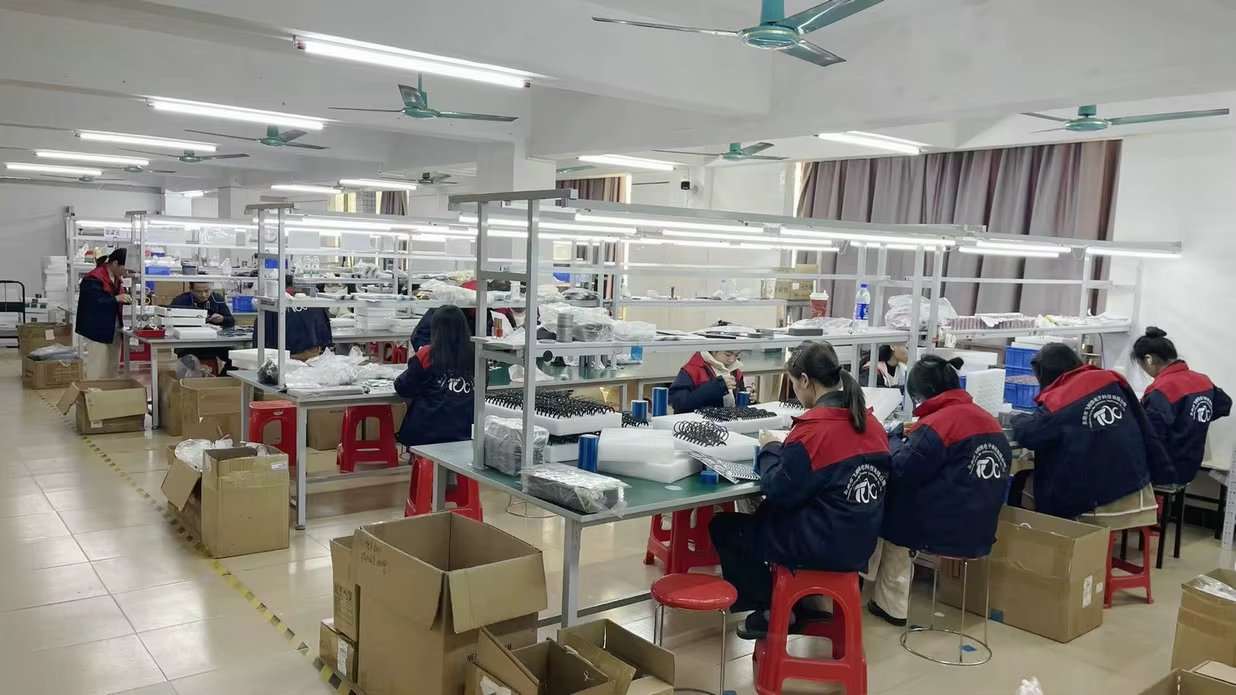
This page is for brands, importers, distributors and marketplace sellers sourcing a custom aluminum phone holder, aluminum phone stand or car-mount structure. It covers the procurement questions that change the approved sample and the delivered lot, not just the product shape.
What a custom aluminum phone holder programme covers
A complete OEM specification can include the alloy grade, part split, CNC or stamping route, anodizing, blasting or brushing, logo method, magnet and hinge choices where applicable, packaging and the inspection plan. We agree those items on the drawing and the physical sample before mass production.
- Material: 6063 or 7075 aluminum specified by part, not by product name.
- Forming: CNC machining or stamping selected from wall thickness, geometry, tolerance and order volume.
- Finish: anodized color, gloss level, blasting or brushing direction, masked interfaces and sealing requirement.
- Branding: laser engraving, silk-screen or UV printing, with an artwork mock-up approved before production.
- Mechanical details: magnet specification where the model uses magnets, plus SK7 hinge or riveted assembly details where applicable.
- Packaging and QC: retail packaging, first-article approval, lot comparison and final inspection.
Choose 6063 or 7075 aluminum by part
6063 is normally the better starting point for visible ring bodies, plates and housings because it machines cleanly and gives a more controllable anodized finish. 7075 is specified where a thin arm, hinge part or clamp must resist higher force. The distinction matters because changing alloy without changing the process can shift color, fit and machining behavior.
| Part requirement | Normally start with | Why |
|---|---|---|
| Visible ring, body or plate | 6063 | More controllable anodized appearance and clean machining |
| Thin arm or load-bearing structure | 7075 where the drawing requires it | Higher strength allows a thinner section to remain stable |
| Color-critical assembled part | 6063 | The finish is judged on the assembled product against a sealed sample |
Write the grade next to the part on the drawing, repeat it on the purchase order, and record it on the inspection sheet. That creates three matching checkpoints instead of relying on a website claim.
CNC machining or metal stamping: decide from geometry and volume
There is no universal winner. The route has to fit the part.
- CNC machining is suitable for thicker sections, pockets, threaded features and low-to-mid volume work where dimensional control is critical.
- Metal stamping becomes practical for a stable thin-sheet shape at higher volume. Forming, deburring and post-forming flatness must all be controlled.
- Hybrid construction can be appropriate where a machined interface and a formed body do different jobs; the assembly and inspection method must then be specified together.
Send the 2D drawing, 3D model and intended quantity together. The manufacturing route, tolerance review and sample plan can then be quoted against the same specification.
Anodizing, blasting and brushing must be measurable
Words such as dark grey, matte or premium are not production specifications. Define the finish so two QC teams can make the same decision.
- Give a physical color reference, not only a screen image.
- State the surface preparation and whether the grain is brushed, blasted or smooth.
- Define gloss level, sealing requirement and the light source and angle used for approval.
- Mark which holes, threads, shafts and mating faces must be masked before anodizing.
- Approve the first article in the final assembly state and seal a physical golden sample for both sides.
Anodizing is controlled as a qualified outsourced process for this programme; incoming verification, assembly and final QC stay with the factory. For a deeper inspection method, read anodized aluminum color consistency.
How to prove the delivered aluminum matches the order
The purchase order should connect the alloy and lot requirement to evidence the buyer can check.
- Request the material certificate for the production lot and match it to the supplied part.
- Keep the approved first article as the physical construction and finish reference.
- Compare first, middle and last pieces when a finish is color-sensitive.
- Measure critical dimensions and inspect threads, bores, burrs and assembly after finishing, not before.
- Where independent evidence is required, arrange alloy identification or spectral testing through a third-party laboratory.
Aluminum models to start from
- CX-5 magnetic ring holder: 58 × 3.8 mm, 18 g, N52 magnets measured at about 4,100 GS, 360° rotation.
- OX-3 double-sided holder: 58 × 4.5 mm, 25 g, N52 magnets measured at about 4,100 GS, magnets on both faces.
- X23 magnetic phone stand: 57 × 3.5 mm and 21 g, with magnetic mounting and an SK7 hinge cycle-tested beyond 6,000 open-close movements; it is not an air-vent clip.
- X7 magnetic holder: 60 × 5.8 mm, 21 g, for a compact aluminum-led design.
- X39 double-sided magnetic folding stand: aluminum alloy with N52 magnets, 53.7 × 32.5 mm and 42 g, with desk, laptop-side and compatible car-mount use.
OEM sequence, MOQ and shipping
| Item | Confirmed scope |
|---|---|
| MOQ | 50 pcs per model |
| Samples | 7-10 working days after the drawing is confirmed |
| Mass production | 7-12 days after sample approval |
| Packing and final inspection | 3-5 days |
| Shipping term | FOB Shenzhen |
| Existing tooling | 21 models already on tooling within a range of 100+ product types |
If you want to adapt a current model instead of starting from a blank drawing, use the OEM customization page for the existing logo, colour, material and packaging route.
What we do not claim
We do not hold CE, RoHS, REACH or SGS certificates, and we state that before a buyer asks. If the destination market requires testing, include it at RFQ stage so the laboratory, sample quantity and test scope can be agreed in writing. We do not publish product prices or substitute invented dimensions, customer names or test claims for missing data.
Aluminum is the professional focus here. Existing PC and PU products remain in the factory's wider range for projects that genuinely need them; a non-aluminum model is not presented as aluminum.
Send the drawing, reference product, target quantity and market requirements to sales@feigangxia.com or WhatsApp +86 198 2632 0305. We will confirm the alloy split, process route, finish, sample plan and missing information before quotation.
Need a price for your own model?
Send us your drawing or a reference photo. You will get unit price, sampling time and shipping cost within one working day.
Frequently asked questions
What can be customized on an aluminum phone holder?
The customization scope covers alloy grade, part-specific structure, CNC or stamping route, anodized color, blasting or brushing, logo, magnet specification where the model uses magnets, hinge or riveting details, retail packaging and the inspection plan. Each item is confirmed on the drawing and approved sample before production.
How do you choose between 6063 and 7075 aluminum?
6063 is normally the first choice for visible bodies, rings and plates because its finish is easier to control consistently. 7075 is used where a thin arm, hinge part or clamp needs higher strength. The alloy is specified by part, and the grade appears on the drawing, purchase order and inspection record.
Can you produce the holder by CNC machining or metal stamping?
The process is selected from the geometry and order volume. CNC suits thicker sections, pockets, threaded features and parts needing tight dimensional control. Stamping suits stable thin-sheet shapes at higher volume, with controls for forming, burrs and flatness. The quotation and sample are based on the confirmed process route.
How is anodized color controlled across production lots?
The alloy and incoming surface are fixed, the finish and gloss are specified, and a physical golden sample is signed in the final assembly state. Production lots are compared with that sample under an agreed light source, and the alloy certificate plus first, middle and last pieces help separate material, dye-bath and handling problems.
How can a buyer confirm the aluminum grade was not changed?
Tie the required grade and lot information to the drawing, purchase order and inspection sheet. Ask for the production-lot material certificate, retain the approved first article, and request third-party alloy identification or spectral testing when independent evidence is required.
Which aluminum models are suitable for an OEM first order?
CX-5 is the thin single-face magnetic ring holder at 58 × 3.8 mm and 18 g. OX-3 is the double-sided holder at 58 × 4.5 mm and 25 g. X23 is a 57 × 3.5 mm, 21 g magnetic phone stand with an SK7 hinge cycle-tested beyond 6,000 movements; it is not an air-vent clip model. All three are aluminum-led starting points for different use cases.
What are the MOQ, sample lead time and mass-production lead time?
MOQ is 50 pcs per model. Samples take 7-10 working days after the drawing is confirmed. Mass production takes 7-12 days after sample approval, followed by 3-5 days for packing and final inspection. Shipment is FOB Shenzhen.
Do you hold CE, RoHS, REACH or SGS certificates?
No. We do not hold these certificates and state that before a buyer asks. If the destination market needs testing, include it at RFQ stage so the test scope, sample quantity and laboratory can be agreed in writing.
Does an aluminum focus mean the existing PC and PU range has been discontinued?
No. Aluminum phone holders, stands and car-mount structures are the professional focus of this programme. Existing PC and PU products remain in the wider range for projects that genuinely require them; non-aluminum models are not presented as aluminum.
Models mentioned in this guide