
Start With the Spec Sheet: GS and N Are Not the Same Measurement
Gauss (GS) measures magnetic flux density at a point; newtons (N) measure holding force. A supplier quoting "4,100 GS" is not quoting pull force, and a supplier quoting "12 N" is not quoting gauss. Buyers who compare the two numbers directly will approve the wrong sample.
In magnetic phone holder sourcing, GS is typically measured with a gaussmeter at the magnet surface or at a defined air gap. It tells you the magnet grade and how the magnetic circuit is designed. N is measured with a force gauge pulling a steel plate or a phone-weight simulator away from the holder. It tells you whether the holder will actually hold a phone on a car dash over a bump.
A high-GS magnet can still fail a pull-force test if the steel backplate is too thin, the air gap is too large, or the adhesive layer absorbs force. A low-GS design can pass if the magnetic circuit is closed efficiently. This is why a buyer should ask for both numbers, plus the test conditions behind each one.
For reference, our N52 magnet assemblies on the OX-3 magnetic phone holder and CX-5 magnetic phone holder are measured at approximately 4,100 GS. That figure is stated only for those two models, not for the whole catalog. If a supplier gives you one gauss number for every SKU, treat it as a marketing number until you see per-model test data.
GS = flux density at a point. N = holding force. Ask for both, and ask where each was measured.
How to Make a Magnetic Force Test Repeatable
A repeatable magnetic test fixes four variables: air gap, pull direction, pull speed, and the mating surface. Change any one of them and the same holder can read 8 N or 14 N. Write these four variables into your PO inspection clause.
Air gap is the distance between the magnet face and the steel plate. A 0.5 mm gap can cut measured force noticeably. Pull direction should be perpendicular to the magnet face, not sliding. Pull speed should be controlled, because a fast jerk reads higher than a slow steady pull. The mating surface should be a defined steel plate thickness, not a phone case of unknown material.
For gauss measurement, define the probe position: magnet surface, 1 mm gap, or 3 mm gap. State the gaussmeter model and whether it is DC or AC. For pull force, state the force gauge resolution and whether the sample was conditioned at room temperature first.
A practical buyer protocol looks like this:
- Condition samples at 23°C for 2 hours before testing.
- Measure gauss at the defined gap with a calibrated gaussmeter; record 5 readings per unit.
- Measure pull force perpendicular to the magnet face with a force gauge at a controlled speed; record peak force.
- Repeat on 5 units from the same production lot, not 5 units hand-picked by the factory.
- Record the steel plate thickness and surface finish used in the test.
If you are comparing a double-sided and single-sided design, the test setup changes because the magnetic circuit changes. Our comparison of double-sided vs single-sided magnetic holders explains why the same magnet can produce different holding behavior in each configuration.
What Makes Magnetic Force Drop Over Time
Magnetic force drops from four main causes: temperature exposure, coating and plating thickness, magnet grade and geometry, and adhesive aging. The magnet itself rarely "wears out" at room temperature; the assembly around it does.
| Decay factor | What happens | What to verify |
|---|---|---|
| Temperature | Heat above the magnet's working temperature reduces flux; repeated heat cycles can cause permanent loss. | Ask for the magnet grade's max working temperature and any heat-cycle test data. |
| Coating / plating | Nickel, epoxy, or other surface treatment adds thickness between magnet and mating surface, increasing air gap. | Ask for coating thickness spec and gauss measured after coating, not before. |
| Magnet grade / geometry | Lower-grade magnets or thin magnets lose force faster under load and heat. | Ask for grade (e.g., N52) and dimensions per SKU. |
| Adhesive aging | Backing adhesive softens or creeps, changing the gap and pull direction over time. | Ask for adhesive type, cure schedule, and aging test conditions. |
Temperature is the most common field failure in car use. A dashboard in summer can reach temperatures that push a low-grade magnet toward its working limit. If your product is a car mount, specify the maximum operating temperature you expect and ask the factory to test at that temperature, not at room temperature only.
Surface treatment also matters more than buyers expect. Anodizing, plating, and painting all add a layer. If the factory measures gauss before surface treatment and pull force after assembly, the two numbers may not describe the same finished product. Ask for gauss measured on the finished, coated part.
For hinge-based holders, magnetic force is only half the durability story. The hinge must survive repeated open-close cycles. Our SK7 hinge assemblies are tested to 6,000+ open-close cycles. That number applies to the hinge test, not to magnet gauss, and buyers should keep those two specs separate in their own inspection plans.
What Test Evidence to Request From a Factory
Ask for three documents: a per-model magnetic spec sheet with test conditions, a sample test report with raw readings, and a durability test record for moving parts. If a factory cannot provide raw readings, you are buying a claim, not a test.
A usable magnetic spec sheet should list: magnet grade, magnet dimensions, gauss value and measurement gap, pull force value and pull direction, coating thickness, and adhesive type. A usable test report should show the instrument used, the date, the sample size, and the individual readings, not only an average.
For durability, ask for the test method and the pass/fail criterion. "6,000+ cycles" is only meaningful if you know the cycle rate, the load applied, and what was checked after the test. Ask whether gauss or pull force was re-measured after the durability test.
On certification, be direct with your supplier and expect direct answers. Our default position is that we do not hold CE, RoHS, REACH, FCC, or SGS certificates. When a buyer needs third-party testing, we arrange it per order. A supplier that claims to hold every certificate without showing certificate numbers is a risk to your compliance file.
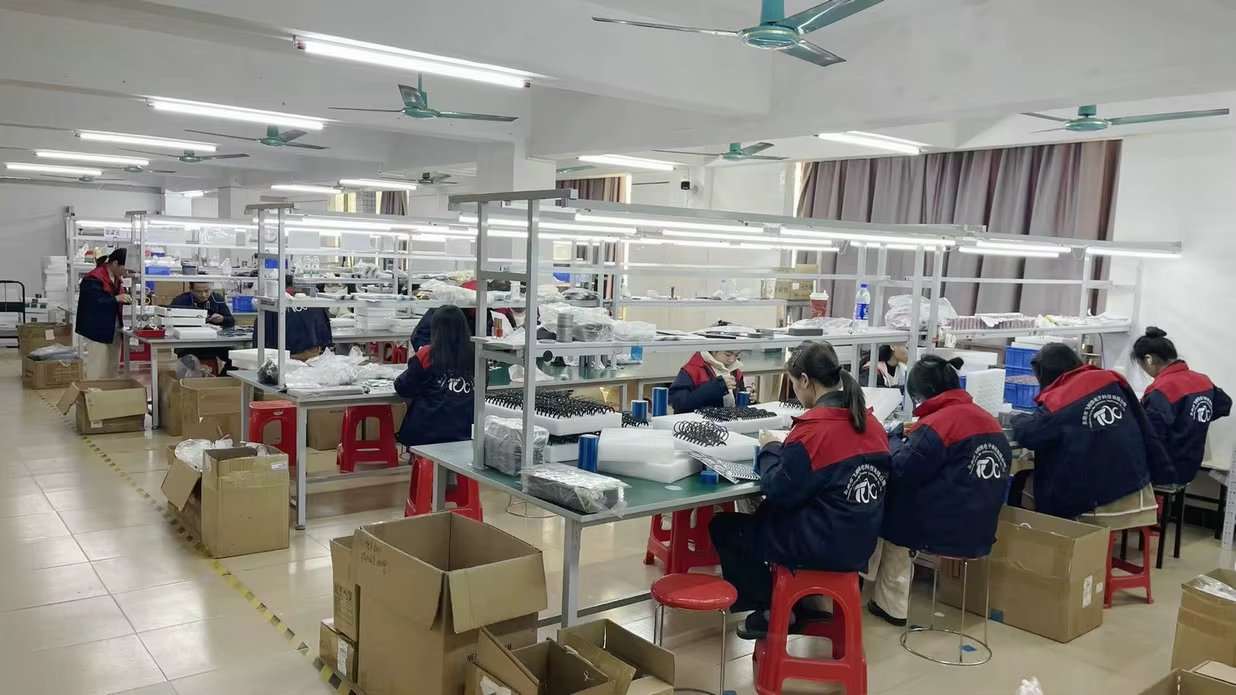
If you need a factory that can also support custom logo, color, and retail packaging, confirm the tooling and process scope early. Our 21 molded models can be ordered directly, and custom work runs through in-house mold making, injection molding, assembly, and packaging. MOQ is 50 pcs per model, sampling is 7–10 working days after drawing confirmation, and mass production is 7–12 days after sample approval. Packaging and final inspection add 3–5 days. Shipment terms are FOB Shenzhen.
For buyers building a first order, the practical sequence is: define the magnetic and durability specs, request samples with test data, verify the data with your own gauge, then lock the inspection clause into the PO. You can review current models on the magnetic phone holder product page or send your spec to our team through the contact page.
No CE / RoHS / REACH / FCC / SGS certificates are held by default; third-party testing is arranged per order when required.
Need a price for your own model?
Send us your drawing or a reference photo. You will get unit price, sampling time and shipping cost within one working day.
Frequently asked questions
Is 4,100 GS a strong magnetic force for a phone holder?
Gauss measures flux density, not holding force, so 4,100 GS alone does not tell you whether a holder will hold a phone. Our N52 magnet assemblies on the OX-3 and CX-5 are measured at approximately 4,100 GS, and that figure is stated only for those two models. To judge holding performance, ask for pull force in newtons measured perpendicular to the magnet face, with the air gap and steel plate thickness defined. A high gauss number with a large air gap can still produce low holding force.
How do I test whether magnetic force will decay over time?
Test the assembly, not just the magnet. Condition samples at a defined temperature, measure gauss at a fixed gap, measure pull force perpendicular to the face, then repeat after heat cycling and after the durability test. The main decay causes are temperature exposure, coating or plating thickness, magnet grade and geometry, and adhesive aging. Ask the factory for gauss measured on the finished coated part, the magnet's maximum working temperature, and post-durability pull force readings. For hinge parts, our SK7 assemblies are tested to 6,000+ open-close cycles.
What is the MOQ and lead time for a custom magnetic phone holder order?
MOQ is 50 pcs per model, including custom logo, color, and packaging. Sampling takes 7–10 working days after drawing confirmation. Mass production takes 7–12 days after sample approval, and packaging plus final inspection adds 3–5 days. We are a self-owned factory in Dongguan with a 3,500 m² facility, 3 production lines, 27 machines, and monthly capacity of 300,000+ pcs. Shipment terms are FOB Shenzhen. We hold 8 China granted patents (3 utility models + 5 design patents) and can sign an NDA for custom projects.
Models mentioned in this guide